
Hair loss changes more than appearance. It quietly affects confidence too. A lot of people believe that a hair transplant procedure is just about growing new hair on the scalp. That isn’t the whole tale, though. But that’s not the full story. The real difference — the subtle, almost invisible magic — often lies in natural hairline design.
Even a technically flawless transplant can appear artificial due to a poorly placed hairline. On the other hand, a well-planned hairline complements age, hair density, and face structure. The result feels real. Balanced. Human.
In fact, experienced doctors will say the same thing: the success of a transplant depends heavily on hairline design in hair transplant procedures. It’s both medical science and aesthetic judgment working together.
And that’s why choosing an experienced hair transplant specialist becomes extremely important.
What Is Natural Hairline Design?
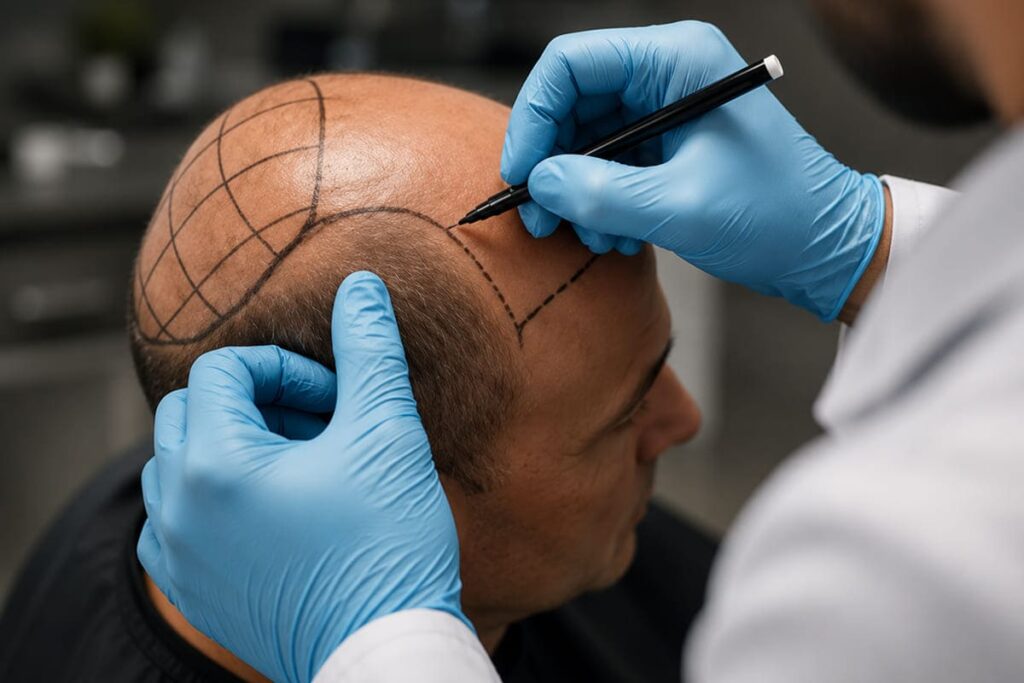
Simply put, natural hairline design is the process of planning where and how the hairline should appear after a transplant.
But it’s not just about drawing a line on the forehead. There’s much more thinking involved.
A natural hairline must:
● follow the natural growth pattern of hair
● match facial proportions
● look age-appropriate
● blend with existing hair density
Interestingly, no two hairlines are identical. Before choosing the final design, a professional surgeon examines facial symmetry, the contour of the forehead, and even the thickness of the hair.
Because if the hairline sits too low, it may look artificial. Too high, and the transplant might not deliver the expected transformation.
Balance is everything.
Why Hairline Design Matters in Hair Transplant Surgery
Here’s something many patients realize only after consultation. The hairline is the most visible part of the transplant.
People don’t usually inspect the back of your scalp. But the front? That’s what everyone notices.
Therefore, hairline design in hair transplant surgery directly affects how natural the results appear.
A well-designed hairline:
● creates a youthful yet realistic look
● blends transplanted hair with natural hair
● maintains proper facial proportions
● avoids the “plugged hair” appearance
Surprisingly, even small changes in hairline angle or density can make a big difference.
Some clinics may focus only on graft numbers. However, experienced surgeons understand that placement and design matter far more than just quantity.
Factors Doctors Consider When Designing a Hairline
Designing a hairline is almost like creating a facial blueprint. Skilled doctors consider several factors before finalizing the design.
Some of the key elements include:
● Facial Structure
The hairline should complement the shape of the face. A round face, for example, may require a slightly different hairline curve than a long face.
● Age of the Patient
Younger patients often want a lower hairline. However, surgeons usually design a slightly mature hairline so the result still looks natural years later.
● Hair Density
The available donor hair also affects the final design. A good surgeon ensures the hairline looks full without overusing grafts.
● Natural Hair Growth Pattern
Hair grows at different angles across the scalp. Therefore, graft placement must mimic this natural direction.
All these small details come together to create a convincing and natural hairline.
Hairline Design for Women
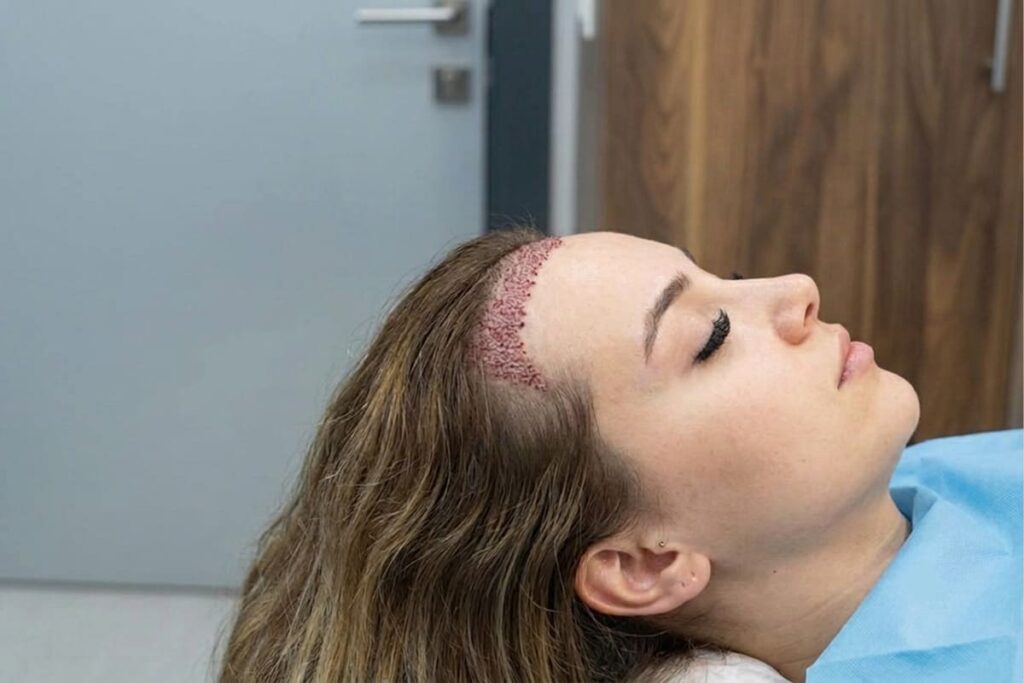
Hairline restoration is not just for men. In fact, hairline design for women requires even more precision.
Women usually have softer, rounded hairlines compared to men. The density and angle of hair also differ slightly.
When performing hair transplant surgery for women, specialists often focus on:
● restoring frontal density
● preserving natural curves of the hairline
● maintaining feminine facial proportions
A well-designed female hairline should look soft and natural — never sharp or overly straight.
Role of an Experienced Hair Transplant Specialist
A technically trained doctor can perform the transplant procedure. But designing a natural hairline requires both skill and artistic understanding.
An experienced hair transplant specialist carefully studies the patient’s face before making any design decisions.
They consider:
● forehead size
● eyebrow position
● existing hair pattern
● long-term hair loss progression
As a consequence, the finished product appears natural even years later.
For this reason, a lot of patients specifically search for a skilled Hair Transplant Surgeon in Pune who is knowledgeable about both the aesthetics and the science of hair restoration.
Choosing the Best Hair Transplant Clinic in Pune: Skin and Hair Surgery
Not all clinics follow the same standards. Some focus only on performing the procedure quickly.
However, the best hair transplant clinic usually prioritizes consultation and planning before surgery.
During consultation, a good clinic will:
● evaluate scalp condition
● analyze donor hair quality
● design a customized hairline
● explain realistic expectations
This planning stage is critical.
Because once a hairline is transplanted, redesigning it later becomes much more complicated.
Summary of Key Insights
● Natural hairline design is crucial for realistic hair transplant results
● The hairline must match facial proportions and age
● Skilled surgeons consider several factors before finalizing the design
● Hairline design for women requires different aesthetic planning
● Choosing an experienced hair transplant specialist improves long-term outcomes
Conclusion
Hair transplant surgery has advanced significantly over the years. Modern techniques allow doctors to restore hair with remarkable precision.
However, technology alone does not guarantee natural results.
The real difference lies in natural hairline design.
A thoughtfully designed hairline blends seamlessly with facial structure, hair density, and natural growth patterns. It makes the transplant appear effortless—almost as if the hair had always been there.
Because sometimes, the smallest design detail can make the biggest visual difference.
For expert consultation on hair transplant surgery, you can connect with Skin and Hair Surgery—where experienced hair transplant specialists focus on creating natural-looking hairlines and long-lasting hair restoration results.
FAQs
Natural hairline design is the process of planning the placement, shape, and density of the hairline to ensure hair transplant results look realistic.
Hairline design determines how natural the transplant appears. A poorly designed hairline can make the results look artificial.
Yes. Hairline design for women is commonly performed to restore frontal density and improve the natural shape of the hairline.
Surgeons evaluate facial structure, age, hair density, and natural growth patterns before designing a personalized hairline.
Look for experienced surgeons, proper consultation, advanced transplant techniques, and a clinic with proven natural results.