
If you’ve searched for new hair loss treatments 2026, you’ve probably noticed the same headlines everywhere: a new topical drug in trials, JAK inhibitors changing alopecia areata treatment, exosomes marketed as the next big thing. It’s a genuinely active year for hair-loss research. But newer doesn’t automatically mean better, safer, or right for your specific type of hair loss. This guide walks through what’s actually established, what’s genuinely emerging, and what’s still experimental – so you know what’s worth raising with a dermatologist.
What Counts as a "New" Hair-Loss Treatment in 2026?
Not everything labeled “new” belongs in the same category. Some treatments are newly studied but not yet approved anywhere (like topical anti-androgens). Some are newly approved for one specific condition but not for general pattern hair loss (like JAK inhibitors for alopecia areata). Others are commercially available and heavily marketed, despite limited regulatory backing (exosome and stem-cell treatments fall here). Knowing which category a treatment sits in matters more than knowing that it exists.
Why Diagnosing the Cause of Hair Loss Comes First
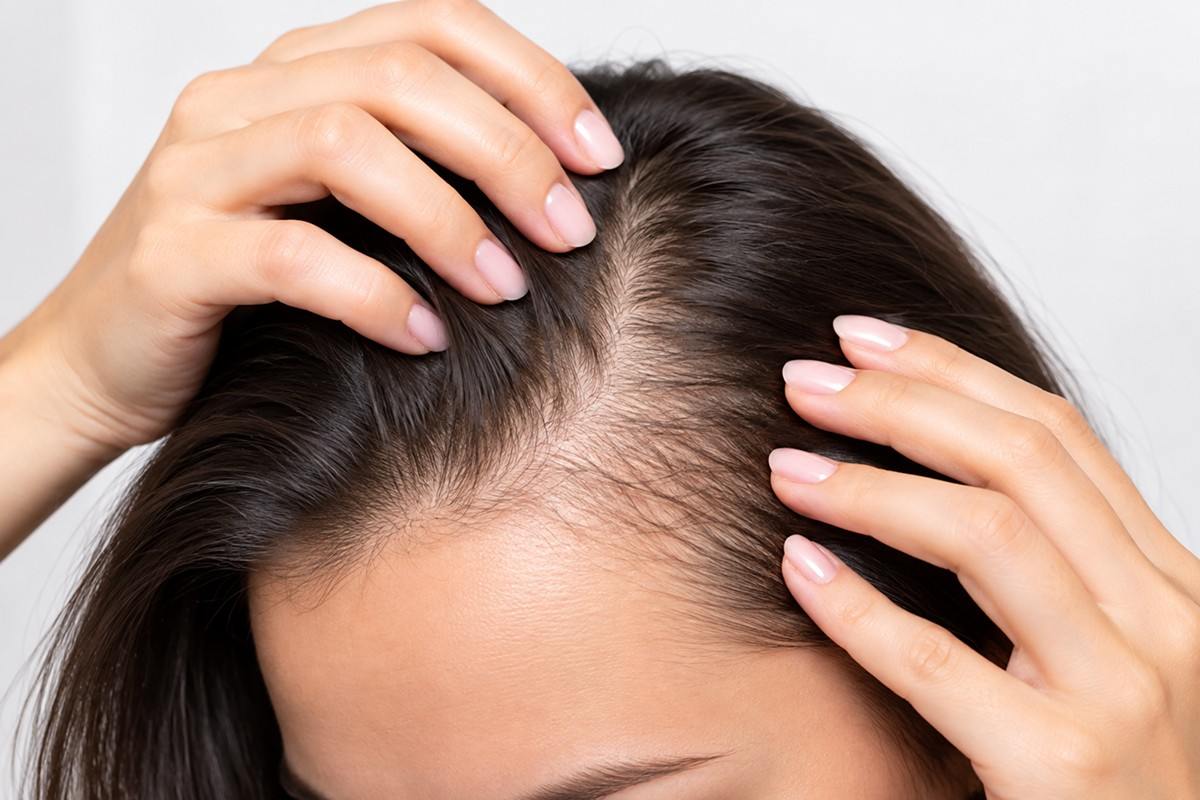
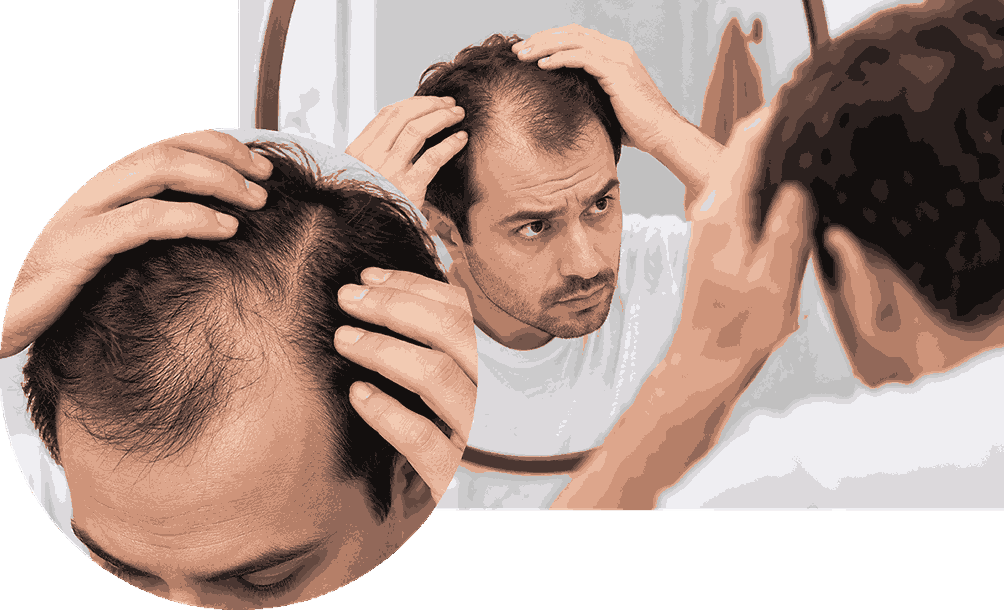
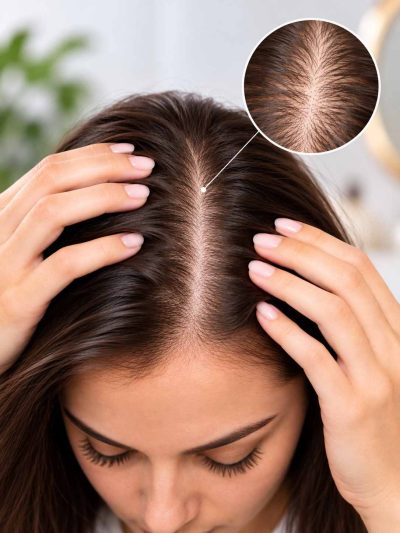
Hair loss isn’t one condition. Androgenetic alopecia (pattern thinning), telogen effluvium (stress- or illness-related shedding), alopecia areata (autoimmune patchy loss), nutritional deficiencies, thyroid issues, and scalp conditions can all present as “hair fall” – but they respond to different treatments entirely. A treatment that helps androgenetic alopecia may do little for alopecia areata, and vice versa. This is why a proper scalp evaluation and history – rather than a treatment picked off a list – is the real starting point. If you’re unsure what’s driving your hair loss, it’s worth getting a clear diagnosis from a dermatologist for hair loss in Pune before choosing between any of the options below.
New and Emerging Hair-Loss Treatments to Know About in 2026
Topical Anti-Androgens (Clascoterone)
Clascoterone 5% topical solution works by blocking DHT directly at the hair-follicle receptor, without the systemic absorption associated with oral anti-androgens. Two large Phase III trials (1,465 patients) reported meaningful improvement in hair count with a safety profile similar to placebo, and 12-month follow-up data was released in April 2026. This is a genuinely new mechanism – the first in over three decades for male pattern hair loss. However, it is not yet approved by any regulatory authority, and regulatory submissions are still underway. It isn’t available for prescription in India (or anywhere) yet.
JAK Inhibitors for Alopecia Areata
Baricitinib, ritlecitinib, and deuruxolitinib are JAK inhibitors that have been FDA-approved between 2022 and 2024 specifically for moderate-to-severe alopecia areata – an autoimmune condition, not pattern baldness. For patients with a confirmed alopecia areata diagnosis, this represents one of the most meaningful treatment advances in recent memory. It’s important to note this class targets a specific autoimmune process, and isn’t relevant to androgenetic hair thinning. Availability and appropriate use in India should be confirmed directly with your dermatologist, since prescribing this class requires monitoring.
Low-Dose Oral Minoxidil
Low-dose oral minoxidil (LDOM) has moved from an off-label niche option to a more evidence-supported approach. A 2025 meta-analysis covering 27 studies and nearly 3,000 patients found meaningful improvement in a substantial proportion of patients, and dermatologists internationally reached a formal consensus on starting doses in 2025. It may suit people who struggle with the twice-daily routine or local irritation from topical minoxidil. It still requires monitoring, particularly for patients with cardiac history, and isn’t automatically the right choice for everyone.
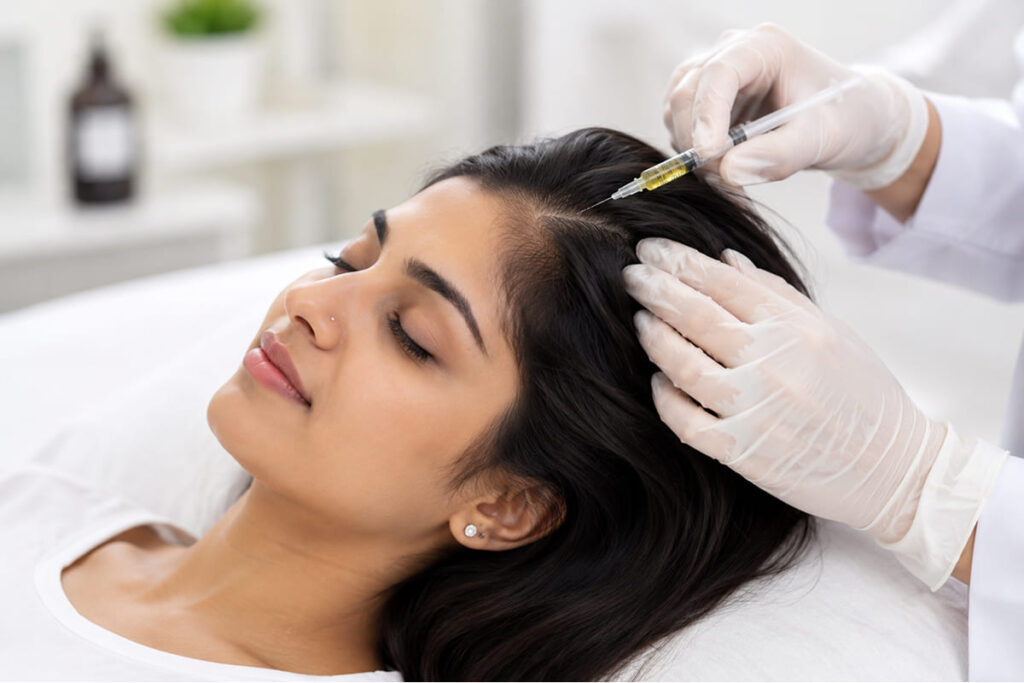
GFC, PRP and Regenerative Options
Platelet-rich plasma (PRP) remains one of the better-studied regenerative options, with a 2025 analysis of over 40 studies showing consistent density improvements when used appropriately. GFC treatment – a further-processed concentrate of growth factors – has shown favorable results compared with standard PRP in several comparative studies, including Indian data, though the evidence base is still smaller than PRP’s and larger controlled trials are needed to confirm the difference consistently. Neither works on follicles that have already closed off completely, which is where hair transplantation becomes relevant instead.
Exosomes and Stem-Cell Treatments
This is where marketing has outpaced evidence the most. No exosome product currently has regulatory approval for any dermatologic use, anywhere – and regulators including the FDA issued fresh warning letters to exosome clinics in early 2026 for marketing unapproved biologic products. Stem-cell hair treatments sit in a similar position: promising in early, small studies, but not backed by the large controlled trials needed to recommend them broadly, and official guidance continues to recommend these be pursued only within regulated clinical trials. If you’re considering either option, it’s worth reading how stem-cell therapy compares with PRP and asking specifically about sourcing, evidence, and regulatory status before proceeding.
Thinking About Trying a New Hair-Loss Treatment?
Not every treatment on this list is suitable for every type of hair loss – and not all of them are even available yet. A dermatologist can help identify the likely cause of your hair loss first, then discuss which evidence-based or emerging options genuinely apply to your situation.
Book a Hair & Scalp Consultation to get a proper evaluation before starting any new treatment.
Visit Skin and Hair Surgery to schedule a consultation with Dr. Pradeep Kumari.
Which Hair-Loss Treatments Have Stronger Evidence?
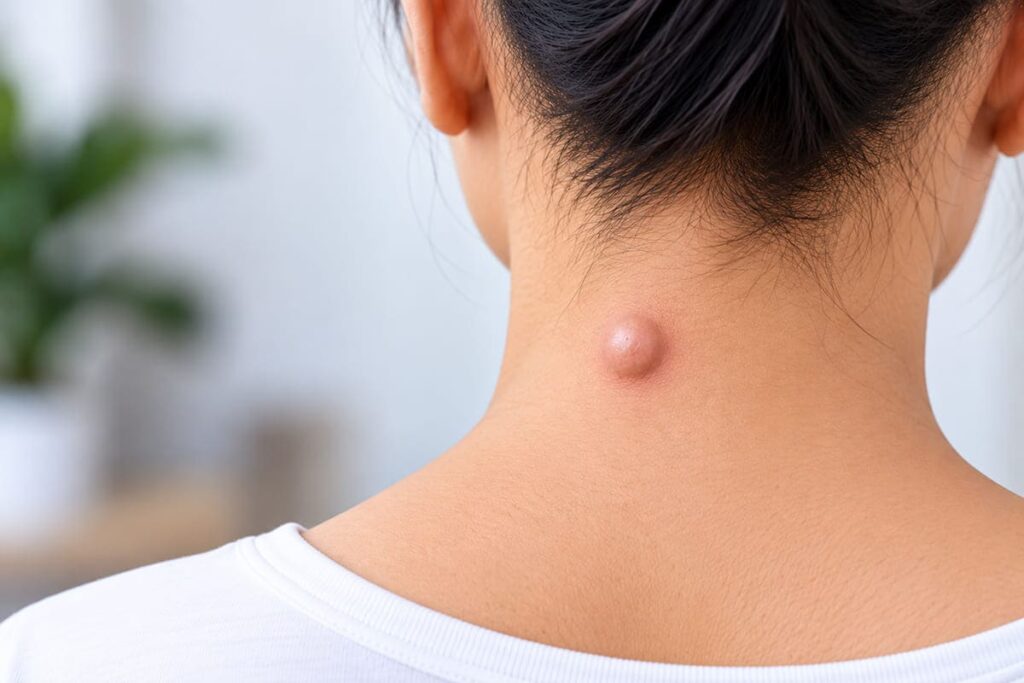
What Happens If You Leave a Cyst Untreated?
This is one of the most common — and most misunderstood — questions patients have.
There is no single answer that applies to every cyst. Some uncomplicated cysts remain small and stable for years and may never cause a problem. Others may:
● Slowly enlarge over time
● Become inflamed after minor trauma or irritation
● Become infected, causing pain and drainage
● Rupture, releasing their contents into the surrounding skin
● Cause repeated discomfort or cosmetic concern if inflammation recurs
● Recur or persist if any earlier attempt at removal was incomplete
None of this means every untreated cyst will become a problem — many don’t. But because outcomes vary, observation may be reasonable for a small, stable, symptom-free cyst, while a cyst that is growing, recurrently inflamed, painful, or bothersome is generally better served by a proper clinical evaluation than by “waiting it out” indefinitely.
Can a Cyst Go Away on Its Own?
| Treatment | Evidence Status | May Be Considered For | Key Consideration |
| Topical minoxidil, oral finasteride/dutasteride | Established | Androgenetic alopecia | First-line options with decades of data |
| Low-dose oral minoxidil | Growing evidence | AGA, diffuse thinning | Needs monitoring, especially for cardiac history |
| PRP | Reasonably established | Early-moderate AGA, telogen effluvium | Multiple sessions needed |
| GFC | Emerging, promising | Mild-moderate AGA | Smaller evidence base than PRP so far |
| JAK inhibitors | Established for alopecia areata only | Alopecia areata, not AGA | Requires specialist prescribing and monitoring |
| Clascoterone | Investigational | Male AGA (once approved) | Not yet approved or available anywhere |
| Exosomes / stem cells | Early/limited evidence | Selected thinning cases, ideally within trials | No regulatory approval; verify sourcing and evidence before proceeding |
| FUE hair transplant | Established surgical option | Advanced/localized baldness | Doesn’t regrow closed follicles; often paired with GFC/PRP maintenance |
Important Reads
- GFC Treatment in Pune – A closer look at how GFC therapy works, who it may suit, and what to expect from treatment.
- Hair Transplant Surgeon in Pune – Details on FUE hair transplant for patients with more advanced or localized hair loss.
- Stem Cell Therapy for Hair Loss vs. PRP – A deeper comparison of stem-cell therapy and PRP, including candidacy and current evidence.
Are New Hair-Loss Treatments Better Than Established Ones?
Not necessarily. A newer mechanism can be promising without yet being proven safe and effective at the standard required for routine use – that’s exactly what distinguishes an investigational treatment from an approved one. Minoxidil and finasteride remain first-line precisely because they have decades of consistent evidence behind them. Waiting indefinitely for a newer option to become available, instead of starting an evidence-based treatment now, can mean losing valuable time – since hair-loss treatments generally work best on follicles that are still active, not ones that have already closed.
How to Choose a Hair-Loss Treatment With a Dermatologist
If you’re evaluating a newer or emerging option, useful questions to ask include:
● What is actually causing my hair loss, and does this treatment target that cause?
● Is this treatment approved, in trials, or used off-label – and what does that mean for me?
● What does the evidence actually show, and how strong is it?
● What are the realistic risks and limitations?
● How would this combine with, or replace, options like FUE hair transplant, PRP, or GFC if I’ve already tried those?
● How will we know if it’s working, and by when?
Why Choose Skin & Hair Surgery Clinic for Skin Glowing Treatments in Pune?
At Skin & Hair Surgery Clinic, we offer personalized skin glow treatments tailored to your unique skin type and concerns. Our experienced dermatologists use advanced technologies and evidence-based procedures, including HydraFacial, chemical peels, laser rejuvenation, and skin brightening treatments, to help you achieve healthy, radiant skin. With a focus on safety, natural-looking results, and patient satisfaction, we strive to deliver effective solutions for long-lasting skin glow and rejuvenation.
FAQs
Clascoterone, a topical anti-androgen, is the most discussed 2026 development for male pattern hair loss, with completed Phase III trials. It is not yet regulatory-approved or available for prescription anywhere, including India.
Some comparative studies, including Indian data, suggest GFC may produce better hair count and density outcomes than standard PRP in certain patients. However, the evidence base for GFC is still smaller than PRP’s, and individual response varies, so suitability should be assessed by a dermatologist.
Early research shows potential, but no exosome product has regulatory approval for hair loss anywhere, and evidence from large controlled trials is still lacking. Regulators have issued warnings about unapproved exosome marketing, so evidence and sourcing should be discussed carefully before considering this option.
Not automatically. Newer treatments may target hair loss differently, but established options have decades of consistent evidence. A newer mechanism is only clearly better once it has comparable evidence and regulatory approval behind it.
It’s reasonable to consult a dermatologist as soon as you notice persistent thinning, widening parting, increased shedding, or patchy hair loss – earlier evaluation generally allows more treatment options, since some approaches work best on follicles that haven’t fully closed.
Stem-cell hair treatments remain investigational, with limited large-scale safety and efficacy data. Regulatory guidance generally recommends pursuing these only within monitored clinical trials rather than as routine commercial procedures.
Conclusion
2026 has brought real movement in hair-loss research – from a genuinely new drug mechanism in clascoterone to a transformed treatment landscape for alopecia areata through JAK inhibitors. But “new” spans a wide range, from rigorously tried to commercially marketed with little backing. The safest approach is the same one dermatologists have always recommended: get an accurate diagnosis first, understand the evidence behind any treatment you’re considering, and make the decision with a professional rather than a marketing claim.
Concerned About Hair Loss or Thinning?
If you’re unsure which treatment is right for you, a dermatologist can assess your hair and scalp, identify the likely cause, and discuss suitable options – established or emerging – based on your individual condition.