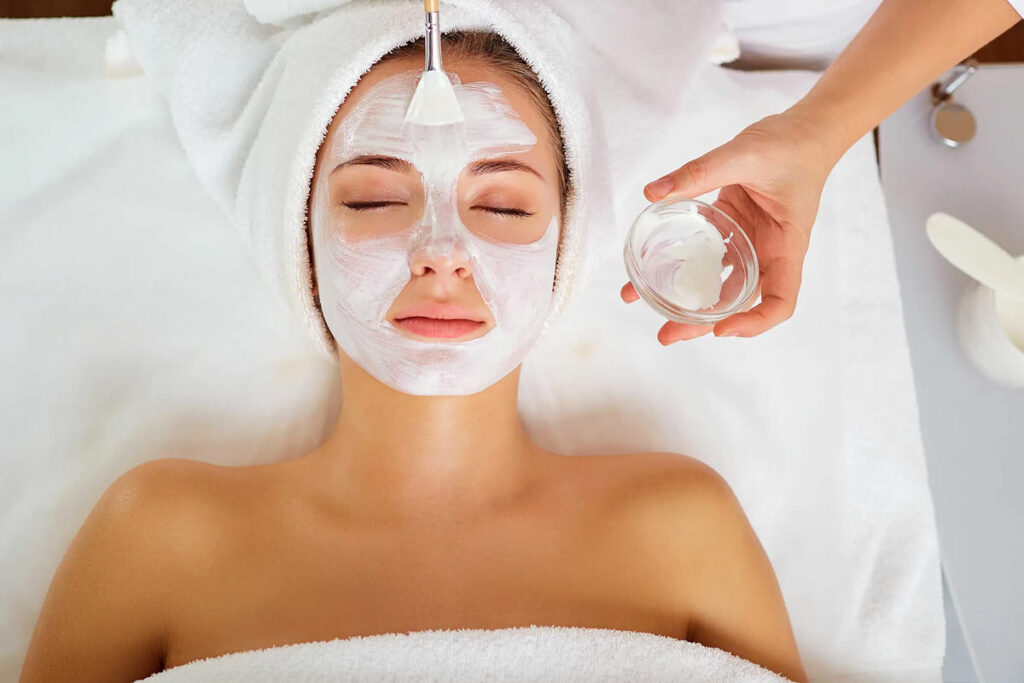
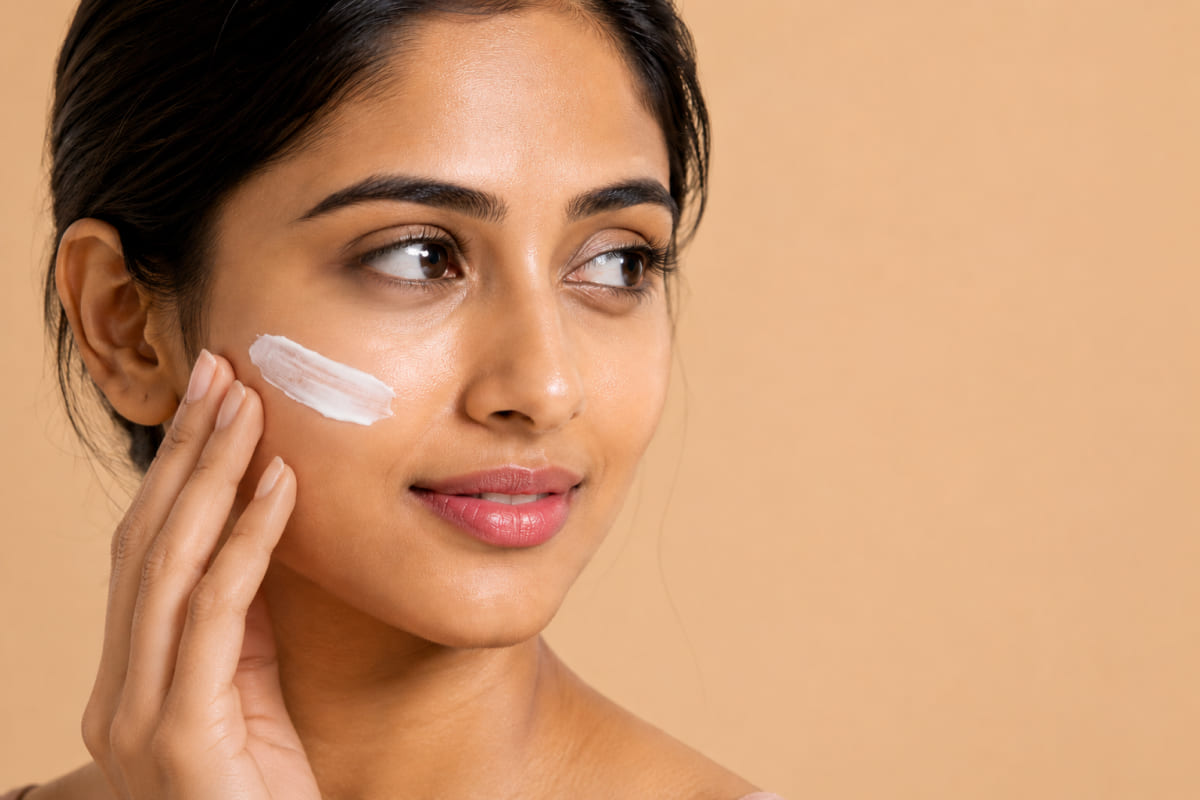

Monsoon rain cools the air, but it puts real stress on your skin. Rising humidity, constant sweating, rainwater on your face, and washing your skin more often than usual all chip away at something most people never think about: the skin barrier. Skin barrier repair during monsoon becomes important because this thin outer layer is what keeps moisture in and irritants out. When it weakens, dryness, breakouts, and sensitivity often follow, even if your skincare routine hasn’t changed.
What Is the Skin Barrier?
Your skin barrier is the outermost layer of your skin, known as the stratum corneum. Think of it as a brick wall: skin cells act as the bricks, and lipids like ceramides, cholesterol, and fatty acids act as the mortar holding everything together. This structure does two jobs — it keeps water inside your skin so it stays hydrated, and it keeps bacteria, pollutants, and allergens from getting in. A strong barrier means calm, comfortable skin. A weak one leads to water loss, irritation, and inflammation.
Why Does the Skin Barrier Get Damaged During Monsoon?
Monsoon weather challenges the skin barrier in several ways at once:
● High humidity changes how your skin manages moisture, sometimes reducing its own natural moisturizing factor even though the air feels damp.
● Excess sweating mixes with oil and dirt, which can clog pores and irritate already-sensitive skin.
● Frequent face washing, often done to feel “less oily” in humid weather, can strip away protective lipids over time.
● Rainwater exposure brings pollutants and acidic runoff into contact with your skin.
● Pollution and damp environments add another layer of irritation, especially in a city like Pune where traffic and humidity combine.
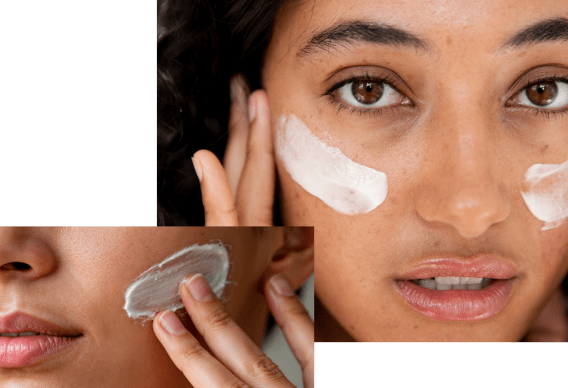
Depending on your skin type, these factors affect you differently. Oily and acne-prone skin may react with breakouts, while dry or sensitive skin often becomes tight, flaky, or reactive. These barrier-related changes sit alongside other common monsoon skin and hair problems that tend to show up this time of year.
Important read - Explore common skin and hair problems during monsoon.
Signs of a Damaged Skin Barrier
A weakened skin barrier usually shows up as one or more of these signs:
● Skin that feels tight, rough, or looks dull
● Redness, stinging, or burning when you apply products that never bothered you before
● Persistent dryness or flaking, even in humid weather
● Increased sensitivity to sun, heat, or new products — sometimes a sign of sensitive, reactive skin that needs a gentler approach
● Breakouts that don’t respond to your usual routine
If these symptoms show up together or don’t improve within a few weeks, your barrier likely needs support — not more active ingredients.
Not sure if it’s your skin barrier or something else? Book a consultation with Skin and Hair Surgery and get a proper diagnosis instead of guessing.
How to Repair a Damaged Skin Barrier
Repairing the skin barrier is less about adding more products and more about simplifying your routine so skin can recover. General steps include:
● Cut back to the basics — a gentle cleanser, a barrier-supporting moisturizer, and sunscreen.
● Pause active ingredients like strong exfoliating acids or retinoids until skin feels calmer.
● Moisturize consistently, both morning and night, to reduce water loss.
● Protect skin from further irritation by avoiding very hot water during baths or face washes and harsh physical scrubs. Keep applying sunscreen daily too — UV rays pass through clouds, so monsoon’s overcast skies don’t remove the need for it
Barrier repair takes time. Many dermatologists note that visible improvement often takes several weeks of consistent care, and results vary from person to person depending on how the barrier was damaged in the first place.
Best Skincare Routine for Skin Barrier Repair During Monsoon
A monsoon-friendly routine should feel light but protective:
Morning
1. Rinse with a gentle, sulfate-free cleanser — avoid harsh foaming washes.
2. Apply a lightweight, non-comedogenic moisturizer suited to your skin type.
3. Finish with a broad-spectrum sunscreen of SPF 30 or higher, since UV rays pass through clouds.
Night
1. Cleanse again to remove sweat, pollution, and the day’s buildup.
2. Apply a barrier-supporting moisturizer, choosing a richer formula if your skin feels dry, or a gel-based one if it feels oily.
3.Skip strong actives on nights when your skin feels irritated or reactive.
Your dermatologist may recommend adjusting this routine depending on your specific skin type — dry, oily, combination, sensitive, or acne-prone skin don’t all need the same approach during monsoon.
Which Ingredients Support Skin Barrier Repair?
Several ingredients are commonly used in barrier-repair skincare, though no single ingredient works identically for everyone:
● Ceramides — lipids that are naturally part of the skin barrier and are often added back through moisturizers.
● Hyaluronic acid — a humectant that helps draw moisture into the skin.
● Glycerin — another humectant that supports hydration without feeling heavy.
● Niacinamide — commonly used to help calm skin and support barrier function.
● Petrolatum — an occlusive ingredient that can help reduce water loss by sitting on the skin’s surface.
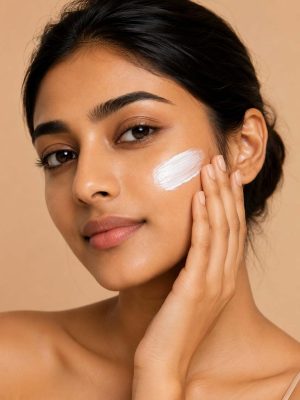
These ingredients are widely used in dermatologist-recommended skincare, but individual skin can react differently, so introducing new products one at a time is a sensible approach.
Common Monsoon Skincare Mistakes That Damage the Skin Barrier
● Washing your face more than twice a day to “feel clean,” which strips natural oils
● Over-exfoliating or using harsh physical scrubs on already-sensitive skin
● Skipping moisturizer because skin feels humid or oily
● Skipping sunscreen because it’s cloudy or raining
● Switching skincare products frequently, which doesn’t give the barrier time to adjust
● Picking or scratching at irritated or breakout-prone skin
Can a Damaged Skin Barrier Cause Acne or Irritation?
Yes, a weakened skin barrier can contribute to both. When the barrier isn’t working properly, moisture escapes, irritants get in more easily, and skin can respond with inflammation — which shows up as redness, sensitivity, or breakouts. For people who already deal with acne-prone skin, monsoon humidity combined with barrier stress can make flare-ups more frequent. This is different from acne caused purely by excess oil, so the right approach depends on what’s actually driving your specific concern.
When Should You See a Dermatologist?
General skincare adjustments help most mild barrier concerns, but professional evaluation may be appropriate if:
● Symptoms persist for more than two to three weeks despite gentler skincare
● Skin becomes increasingly painful, cracked, or oozes fluid
● You notice signs that suggest eczema, rosacea, or another underlying skin condition
● Over-the-counter products consistently sting or worsen irritation
● Breakouts are severe, painful, or leaving marks
A dermatologist can identify whether barrier damage is the main issue or whether another condition needs targeted treatment.
How Dr. Pradeep Kumari Can Help for the Skin Barrier Repair
At Skin and Hair Surgery, Dr. Pradeep Kumari and the clinic’s dermatology team evaluate skin concerns individually rather than offering one routine for everyone. If monsoon has left your skin persistently irritated, sensitive, or breakout-prone, a consultation can help identify what’s actually happening beneath the surface and guide you toward an approach suited to your skin type. You can book an appointment to have your skin barrier concerns properly assessed.
Conclusion
Monsoon weather puts real, measurable stress on your skin barrier — through humidity, sweat, rainwater, and pollution acting together. Most mild barrier damage responds well to a simpler routine, consistent moisturizing, and daily sunscreen. But if irritation, dryness, or breakouts persist despite these changes, that’s a sign your skin barrier may need professional attention rather than another new product. Browsing the clinic’s full range of skin treatments can help you see what options exist beyond home care. For persistent symptoms, professional evaluation may be appropriate.
Why Choose Skin & Hair Surgery Clinic for Skin Glowing Treatments in Pune?
At Skin & Hair Surgery Clinic, we offer personalized skin glow treatments tailored to your unique skin type and concerns. Our experienced dermatologists use advanced technologies and evidence-based procedures, including HydraFacial, chemical peels, laser rejuvenation, and skin brightening treatments, to help you achieve healthy, radiant skin. With a focus on safety, natural-looking results, and patient satisfaction, we strive to deliver effective solutions for long-lasting skin glow and rejuvenation.
FAQs
The skin barrier is the outermost layer of skin (the stratum corneum). It’s made of skin cells held together by lipids like ceramides, and its job is to lock moisture in while keeping irritants, bacteria, and pollutants out.
Yes. High humidity, sweating, frequent washing, rainwater exposure, and pollution can all weaken the skin barrier, leading to dryness, sensitivity, or breakouts during the rainy season.
Common signs include tightness, redness, flaking, stinging when applying products, increased sensitivity, and breakouts that don’t improve with your usual routine.
Simplifying your routine, moisturizing consistently, avoiding harsh cleansers or scrubs, and pausing strong active ingredients can support natural barrier repair over time.
Ceramides, hyaluronic acid, glycerin, niacinamide, and petrolatum are commonly used in barrier-supporting skincare, though individual results can vary.
Generally, it’s best to reduce or pause exfoliation while your barrier recovers, since over-exfoliating is a common cause of barrier damage in the first place.
A weakened barrier can contribute to irritation and breakouts, especially in acne-prone skin, though acne can also have other causes that a dermatologist can help identify.
Recovery time varies, but many people notice gradual improvement over several weeks of consistent, gentle skincare.
If symptoms persist beyond two to three weeks, worsen, or don’t respond to gentler skincare, a dermatologist consultation is a reasonable next step.
Use a gentle cleanser, moisturize daily, wear sunscreen even on cloudy days, avoid overwashing, and introduce new products gradually rather than all at once.